When to See a Specialist for Periodontal Treatment in Ventura
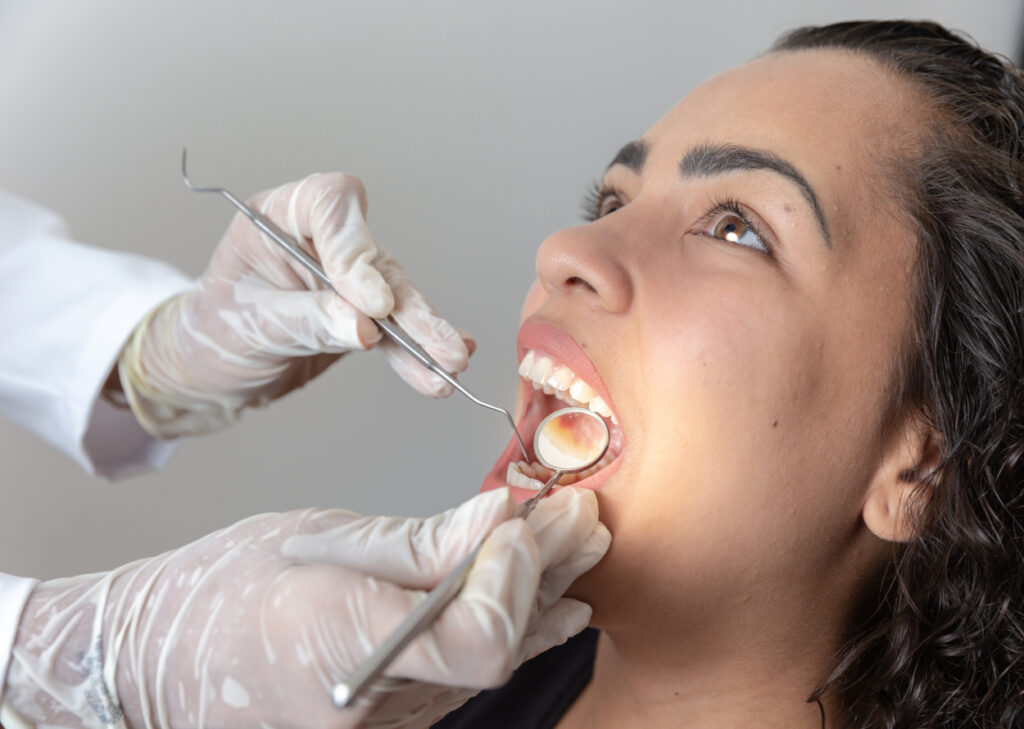

Most people do not wake up one morning and decide they need a periodontist. The path is usually quieter than that. A little bleeding when brushing. Breath that never seems as fresh as it should. A tooth that suddenly feels different when you bite down. Sometimes it starts with a routine cleaning, when a general dentist pauses, takes another look at the gums, and says it may be time for a closer evaluation.
That moment matters more than many patients realize.
Gum disease is not just a cosmetic problem, and it is not limited to older adults. In practice, I have seen mild inflammation in patients in their twenties and advanced bone loss in people who thought they only had “sensitive gums.” The challenge is that periodontal disease often moves slowly, and slow problems are easy to ignore. By the time pain appears, the condition may already be well established.
If you are weighing whether to seek specialized help for Periodontal Treatment Ventura, it helps to know what a specialist actually does, when referral makes sense, and what signs should push you to act sooner rather than later.
What makes periodontal care different
A periodontist focuses on the structures that support the teeth: gums, connective tissues, and jawbone. That sounds straightforward, but the work is highly specific. It involves diagnosing the severity of gum disease, measuring pocket depths around teeth, reviewing bone levels on imaging, managing infection, and planning treatment that protects the long-term stability of the mouth.
General dentists handle many mild gum issues very well. A patient with early gingivitis, for example, may improve with a https://messiahymia968.valiantfield.com/posts/is-periodontal-treatment-ventura-right-for-you professional cleaning, better brushing technique, and more consistent flossing or interdental cleaning. But once the disease moves beneath the gumline, begins destroying bone, or creates complex pockets around teeth, treatment becomes more technical. That is where specialist care often changes the outcome.
A specialist is also the person who evaluates difficult cases that overlap with implants, bite forces, recession, or systemic health issues. A patient with diabetes, a history of smoking, dry mouth from medication, and several loose teeth needs a deeper level of planning than a standard cleaning schedule can provide.
The early signs people dismiss
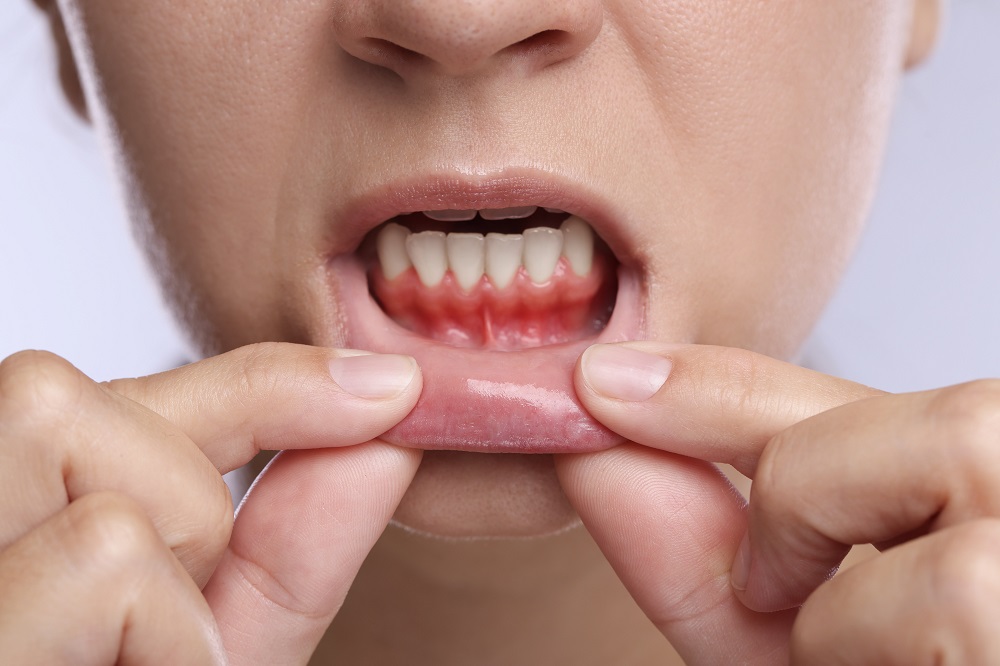
Periodontal disease rarely announces itself dramatically in the beginning. It tends to show up in small ways that seem manageable until they are not. Bleeding is the one people rationalize most often. They assume they brushed too hard, used a new floss pick, or irritated one area by chance. If it happens once, that may be true. If it happens regularly, the gums are telling you something.
Swelling and redness are another common clue. Healthy gums usually look firm and pale pink, though the exact shade varies with natural pigmentation. Inflamed gums look puffy, irritated, and often shiny. They may feel tender when eating crunchy foods or when brushing near the gumline.
Bad breath is another frequent complaint. Patients often spend months trying mints, mouthwash, or tongue scrapers without realizing the odor may be coming from bacteria trapped deep around the teeth. Persistent bad taste can point to the same issue.
Then there is recession. People often notice that their teeth seem longer than they used to. Sometimes that change is gradual, and sometimes it becomes obvious when cold drinks start to sting. Recession does not always mean active periodontal disease, but it does deserve a proper evaluation because the causes vary. Aggressive brushing, grinding, thin gum tissue, tooth position, and inflammation can all play a role.
When a general dentist usually refers out
Referral patterns vary, but there are some common situations where specialist input is prudent. Deep periodontal pockets are one of the clearest. If measurements around the teeth suggest bacteria are thriving below the reach of normal home care and routine cleaning, the case may call for scaling and root planing, localized antimicrobial therapy, or surgical evaluation.
Bone loss visible on X-rays is another major reason. Once the support around a tooth begins to diminish, the priority shifts from symptom relief to preservation. A specialist can help determine whether the damage is stable, active, localized, or widespread.
Mobility changes the conversation too. A loose adult tooth is never something to brush off. Teeth can loosen for several reasons, including trauma and bite issues, but periodontal disease is a common one. If the ligament and bone support are compromised, every month of delay matters.
Recurrent problems also tend to lead to referral. If someone has already had deep cleanings, improved home care, and stayed consistent with maintenance visits, yet the gums continue to break down, a more advanced assessment is warranted. At that point, the issue may involve anatomy, occlusion, systemic factors, or bacterial patterns that require more specialized management.
Symptoms that deserve prompt specialist attention
If you are unsure whether your situation calls for specialist care, these signs should move the issue higher on your list:
- bleeding gums that recur for more than a week or two
- gum recession, especially if teeth suddenly look longer
- persistent bad breath or a bad taste despite good brushing habits
- loose teeth, shifting teeth, or changes in the way your bite fits
- pus, swelling, or soreness around the gumline
Not every one of these signs means severe periodontal disease. A trapped food particle or a localized gum abscess can create some of the same symptoms. What matters is that these signs are not normal, and they deserve examination rather than guesswork.
Why timing affects treatment options
One of the hardest conversations in periodontal care comes when a patient waits too long, not because they were negligent, but because the changes were subtle and life got busy. They may have had no major pain. They may even have been brushing faithfully. Yet when they finally sit in the chair, the disease has advanced enough that the choices are narrower.
Earlier treatment usually means simpler treatment. Mild to moderate disease may respond to non-surgical care, close maintenance, and tighter plaque control at home. Advanced disease may require flap surgery, regenerative procedures, grafting, splinting, extraction, or staged implant planning. The cost is often higher, the recovery takes longer, and the long-term prognosis can be more guarded.
That does not mean advanced cases are hopeless. Far from it. Periodontists manage severe disease every day. But it is much easier to protect bone than to rebuild what has already been lost. That is true biologically, financially, and emotionally.
Cases where specialist care is especially important
Some situations call for a lower threshold to involve a periodontist. Smokers fall into this category. Tobacco use can mask inflammation by reducing visible bleeding, which means disease may progress more quietly. Healing is also less predictable in smokers, especially after surgical procedures.
Patients with diabetes should be attentive as well. Poorly controlled blood sugar can worsen gum inflammation and impair healing, while active periodontal infection can make glucose control harder. It is a two-way relationship, and it deserves coordinated care.
Pregnancy can also intensify gum inflammation. Hormonal changes do not cause periodontal disease on their own, but they can amplify the body’s response to plaque. If a pregnant patient has significant bleeding, swelling, or preexisting periodontal issues, timely evaluation is wise.
There are also anatomical and restorative situations that justify referral. Crowns that sit too close to the gumline, bridgework that traps plaque, crowded teeth, difficult root shapes, and implant sites with limited bone all increase complexity. These are not failures of routine dentistry. They are examples of why dental care is often collaborative.
Recession is not always “just cosmetic”
Many patients seek a periodontal consultation because they dislike the look of receding gums. That is a valid reason to ask questions, but the issue often goes beyond appearance. Recession can expose root surfaces, making teeth sensitive and more vulnerable to root decay. It can also signal ongoing trauma from brushing too hard, clenching, misalignment, or gum disease.
The specialist’s job is to figure out which factor matters most. If inflammation is driving the recession, controlling disease comes first. If the tissue is thin and the root is exposed, grafting may be discussed. If brushing technique is the main culprit, surgery without behavior change would miss the point.
That kind of judgment is where specialist care proves its value. A graft may be appropriate, but not always immediately. Sometimes the right first move is stabilizing the area, changing the cleaning routine, and watching tissue behavior over time.
What happens at a periodontal evaluation
A specialist visit is typically more methodical than patients expect, which is a good thing. The periodontist usually reviews medical history carefully because medications, autoimmune disease, diabetes, osteoporosis treatment, and tobacco use all influence gum health and healing. They examine the gums visually, measure pocket depths around each tooth, check for bleeding points, look for recession and mobility, and review X-rays or other imaging to assess bone support.
They are also evaluating patterns. Is the problem generalized or limited to a few teeth? Are molars worse than front teeth? Is one area tied to an old crown margin, a cracked tooth, or clenching forces? Does the disease appear active, or is it damage from the past that is now stable?
That distinction matters. Not every deep pocket means current destruction, and not every patient with recession needs surgery. A good specialist separates urgency from noise.
Patients are often relieved to learn that treatment is not automatically invasive. Many cases begin with non-surgical periodontal therapy and a structured maintenance plan. Others require targeted surgery, but even then the approach is usually narrower and more customized than people fear.
The difference between cleaning and periodontal maintenance
This is a point that causes real confusion. A standard cleaning is designed for a mouth that is generally healthy or has only mild gum inflammation. Periodontal maintenance is different. It is ongoing care for a patient with a history of periodontal disease, where bacteria and inflammation must be managed more closely to prevent relapse.
That often means more frequent visits, commonly every three to four months, though intervals vary. Those appointments are not a sales tactic. They reflect how bacterial populations repopulate beneath the gumline and how quickly some patients can deteriorate if left too long between visits.
I have seen patients who did quite well on a three-month maintenance interval and began losing ground when they tried stretching to six months. I have also seen the opposite, where stable patients eventually earned more flexibility. The right schedule is not one-size-fits-all. It depends on pocket depth, bleeding, bone support, dexterity, smoking status, medical conditions, and how well the home routine is working.
Ventura-specific considerations patients sometimes overlook
When people search for Periodontal Treatment Ventura, they are often balancing logistics as much as symptoms. Ventura County life can be busy, and dental issues compete with work, childcare, school schedules, and commuting. But the local climate and lifestyle can also shape oral health in practical ways.
Dry mouth is more common than many patients realize, especially in people who spend long hours outdoors, use certain medications, or do not hydrate consistently. Saliva protects the mouth, and when it drops, plaque control gets harder, tissue irritation increases, and inflammation can build more quickly.
There is also a strong health-conscious culture in coastal communities, which is a net positive, but it sometimes leads people to assume that a good diet alone will offset gum disease. It helps, certainly. A nutrient-rich diet supports healing, and lower sugar exposure can reduce certain risks. But gum disease is still fundamentally a bacterial and inflammatory process. You cannot kale-salad your way out of plaque deep under the gums.
Questions worth asking before starting treatment
A specialist consultation should leave you better informed, not more confused. The best visits usually involve plain language and honest trade-offs. Patients do well when they ask practical questions such as these:
- Is the disease active right now, or am I looking at old damage that needs monitoring?
- What is the goal of treatment, stopping progression, reducing pockets, saving teeth, or preparing for future implants?
- What happens if I delay treatment by a few months?
- What can be managed non-surgically, and what truly requires surgery?
- How often will I need maintenance once treatment is complete?
Those questions shift the discussion from fear to planning. They also help patients understand that periodontal care is often a long-term partnership rather than a single procedure.
The emotional side of hearing you need specialist care
Patients often hear “specialist” and translate it as “serious,” “expensive,” or “too late.” Sometimes it is serious. Often it is simply appropriate. Medicine and dentistry work best when cases are matched to the right level of expertise. Seeing a cardiologist does not mean your primary doctor failed. Seeing a periodontist does not mean your dentist missed something. It means your case deserves focused attention.
There is also a natural sense of guilt that can creep in. People blame themselves for skipped flossing, smoking, stress, or delayed appointments. Those factors matter, but they are not the whole story. Genetics, immune response, anatomy, restorations, medications, and life circumstances all shape periodontal risk. Shame is not a treatment plan. Good care starts with clear facts and a realistic next step.
Saving teeth versus replacing teeth
One of the more nuanced decisions in advanced periodontal care is whether a compromised tooth should be treated aggressively or removed and replaced. Patients understandably want a black-and-white answer, but real decisions are rarely that tidy.
A tooth with moderate bone loss but favorable anatomy, good endodontic status, and a motivated patient may be worth saving for many years. A different tooth with severe vertical bone loss, furcation involvement, fracture risk, and poor access for cleaning may have a weak prognosis despite heroic effort.
Implants are valuable tools, but they are not magic substitutes. They need healthy surrounding tissue and bone, and they can develop inflammatory complications too. A thoughtful periodontist weighs the long-term maintainability of both options. Sometimes preserving a natural tooth is the smarter path. Sometimes extraction avoids years of repeated treatment with diminishing returns.
That judgment call is one of the strongest reasons to seek specialist input rather than relying on assumptions.
What not to do while you wait
If you already suspect you need periodontal attention, avoid the common detours. Do not start brushing harder because the gums look irritated. That often worsens recession. Do not keep switching mouthwashes hoping one will solve bleeding. Antiseptic rinses may support treatment, but they do not remove deep deposits or correct bone loss. And do not postpone an evaluation because nothing hurts. Periodontal disease is famous for doing damage quietly.
Use a soft toothbrush, clean gently but thoroughly along the gumline, and keep your scheduled dental visits. If you clench, mention it. If your gums bleed, mention it. If one tooth feels high when you bite, mention that too. Small details often guide diagnosis.
The bottom line for Ventura patients
The right time to see a specialist is earlier than most people think. If your gums bleed often, your teeth feel loose, your breath stays unpleasant despite good hygiene, or your dentist has mentioned bone loss or deep pockets, it is reasonable to move beyond watchful waiting. Specialist evaluation does not commit you to surgery. It gives you a clearer map.
For patients searching for Periodontal Treatment Ventura, the goal is not only to treat disease when it becomes obvious. It is to catch changes while teeth are still highly savable, treatment is still relatively conservative, and the future of the mouth can be planned with confidence.
That is the practical value of seeing a periodontist at the right time. You protect options. You protect bone. And very often, you protect teeth that might otherwise have been lost to a disease that stayed quiet for too long.
Avra Dental
Address: 1708 S Victoria Ave B, Ventura, CA 93003
Phone number: (805) 941-1001
FAQ About Periodontal Treatment Ventura
Can a dentist get rid of periodontal disease?
A dentist or gum specialist (periodontist) cannot fully cure or reverse advanced periodontal disease (periodontitis), but they can successfully stop its progression and manage the infection.
Is periodontitis very serious?
Yes, periodontitis is a very serious, advanced form of gum disease that destroys the bone and tissues supporting your teeth.
How is stage 2 periodontal disease treated?
Stage 2 periodontal disease (early to moderate periodontitis) is primarily treated with non-surgical deep cleaning procedures like scaling and root planing to remove bacteria and tartar below the gumline.