Can Dental Bonding Help You Avoid More Complex Dental Work?
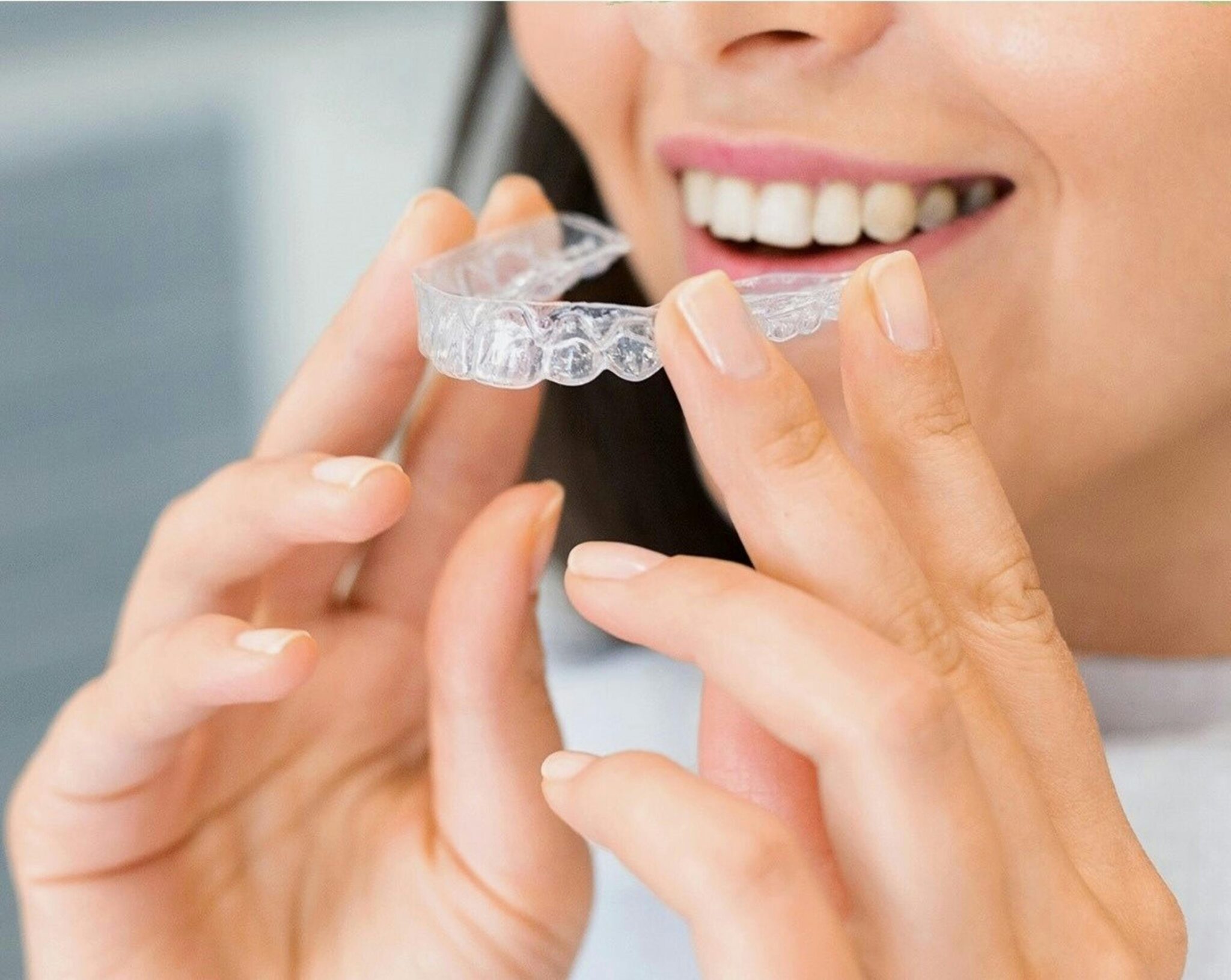
A small chip in a front tooth rarely feels like a small problem. People notice it when they smile, when they speak, sometimes every time they pass a mirror. The same goes for a thin gap between teeth, a worn edge, or a dark spot that does not respond to whitening. In many of those cases, the first assumption is that the fix will be expensive, invasive, or both. That is where Dental Bonding often enters the conversation.
Dental bonding is one of the most conservative tools a dentist can use. It can repair minor damage, reshape enamel, and improve appearance without removing much, if any, healthy tooth structure. For the right patient, that matters far beyond cosmetics. A well-timed bonding treatment can sometimes delay, reduce, or completely avoid more complex work such as veneers, crowns, or orthodontic intervention. The key phrase is “for the right patient.” Bonding is useful, but it is not magic, and it is not the best answer to every dental concern.
The practical question is not whether bonding can make teeth look better. It often can. The more important question is whether it can solve a problem early enough, and well enough, to prevent a larger one.
What dental bonding actually is
Dental bonding uses a tooth-colored composite resin, the same general family of material often used for white fillings. The dentist chooses a shade, prepares the tooth surface, applies the resin, shapes it by hand, and hardens it with a curing light. After that, the material is refined and polished so it blends with the surrounding enamel.
That description sounds simple, but the quality of the result depends heavily on judgment and technique. Bonding is one of those procedures that looks easy in a brochure and proves far more nuanced in the chair. Tiny changes in contour affect how light hits the tooth. Small errors in bite adjustment can leave the bonded area vulnerable to chipping. Color matching becomes more complicated when a patient has translucent enamel, internal staining, or a mix of old dental work.
When it is done well, bonding can look surprisingly natural. When it is done poorly, it can appear bulky, dull, too opaque, or slightly off in color. That is why the conversation should never stop at “Can it be bonded?” The better question is “Will bonding hold up functionally and look convincing in this exact situation?”
Why dentists often try the most conservative option first
Dentistry works best when it preserves healthy structure. Once enamel is drilled away for a crown or veneer, it does not grow back. There are situations where that trade is worthwhile, even necessary, but most experienced dentists do not rush toward irreversible treatment when a conservative alternative could work.
Dental Bonding fits that conservative philosophy especially well. In many cases, little or no drilling is needed. If a patient later decides on veneers or another treatment, the bonding often does not prevent that next step. It can serve as a lower-commitment option, a temporary solution, or even a trial run for a new tooth shape.
That matters in real life. A patient in their early twenties with small edge wear and one chipped front tooth may not need porcelain yet. If bonding can restore the smile for several years with minimal removal of enamel, that is often a smart move. On the other hand, a person with heavy grinding, multiple failing restorations, and deep cracks may be spending money twice if bonding is used where a stronger restoration is clearly indicated.
The strength of bonding is not just that it is cheaper or quicker. It is that it lets the dentist intervene early, lightly, and often effectively.
Cases where bonding can help you avoid more complex work
The best uses of Dental Bonding tend to share one feature: the underlying tooth is still fundamentally healthy. The issue may be cosmetic, mildly structural, or both, but it has not yet reached the point where the tooth needs full coverage or extensive rebuilding.
Small chips and worn edges
This is one of bonding’s best indications. If a front tooth chips from biting a fork, taking a fall, or grinding at night, the missing area can often be rebuilt directly in one visit. If the chip is minor and the rest of the tooth is sound, bonding can spare the patient from a veneer or crown.
The same goes for small areas of wear. Enamel does not disappear overnight. It thins slowly from grinding, acid exposure, or age. If that wear is caught early, adding bonded resin can restore length and smoothness before the tooth becomes dramatically shortened or weakened. In that sense, bonding can be preventive as much as corrective.
Narrow gaps and slight shape discrepancies
A small space between front teeth does not always require orthodontics. If the bite is stable and the gap is modest, bonding can widen one or both teeth slightly to close the space. It can also improve proportions in teeth that are naturally undersized, tapered, or uneven.
This is where patient expectations matter. Bonding can create symmetry and balance, but it cannot move roots or correct major bite issues. For a one millimeter or two millimeter space in an otherwise healthy smile, it can be elegant and efficient. For generalized crowding or a shifted midline, it may only camouflage a deeper problem.
Isolated discoloration that whitening cannot solve
Some stains sit deep within the tooth or come from trauma, developmental issues, or old dental work. Whitening helps many people, but it has limits. In selected cases, bonding can cover a localized discolored area without the need to prepare the whole tooth for a veneer.
That conservative approach can be especially appealing when only one tooth is affected. Covering a single dark spot with carefully layered composite is very different from shaving down multiple front teeth for cosmetic uniformity.
Early repair around existing restorations
A tooth does not always need a brand-new crown because the margin of an old filling has chipped or stained. Sometimes a small bonded repair can reseal a vulnerable area and extend the life of the tooth’s current restoration. That does not mean patching is always best, but strategic repairs can buy meaningful time.
In clinical practice, those extra years matter. Delaying a crown at age thirty-five is not the same as delaying one at age seventy-five. Every replacement cycle tends to involve more loss of tooth structure. If a conservative repair can keep a tooth stable longer, that is often valuable.
When bonding acts as prevention, not just patchwork
People often view dental treatment in snapshots. There is a problem, the dentist fixes it, the story ends. Teeth do not behave that way. They change under pressure, acid, heat, clenching, and repeated repairs. A small defect today can become a larger structural issue later.
Bonding can interrupt that progression.
A tiny chip on the edge of a front tooth may seem cosmetic, but that broken contour can create a stress point. An uneven bite may then focus force on the weakened area, causing the fracture to grow. A small bonded addition can restore support, smooth the edge, and reduce the chance of further breakage.
Similarly, shallow wear facets can deepen over time, especially in patients who grind in their sleep. Rebuilding worn surfaces early, paired with a night guard if appropriate, can preserve tooth https://waylonsten114.scriblorax.com/posts/how-durable-is-dental-bonding-in-everyday-life length and function. In those cases, bonding is not simply making a tooth prettier. It is reinforcing a structure that is beginning to fail.
The same idea applies to enamel defects and rough surfaces that trap stain and plaque. Smoothing and sealing those areas can make the tooth easier to clean and less likely to deteriorate. The treatment is modest, but the timing can make it significant.
The limitations that matter most
Bonding has genuine strengths, but its weaknesses are just as important to understand. Many disappointing outcomes come from using the right material in the wrong setting.
Here are the main situations where bonding may not spare you from more complex work, and may even postpone the inevitable only briefly:
- Large cavities or major structural loss usually need something stronger than direct composite shaping on the outside of the tooth.
- Teeth with deep cracks, root canal treatment, or heavy biting forces often require cuspal protection, commonly a crown or onlay.
- Significant crowding, bite misalignment, or jaw discrepancies are not corrected by bonding, only disguised.
- Patients who clench, chew ice, bite nails, or open packages with their teeth tend to chip bonded edges more often.
- Severe discoloration or multiple mismatched restorations may be better handled with porcelain for durability and color control.
That does not make bonding a poor option. It means case selection matters. An experienced dentist is not just asking whether resin can be placed. They are weighing function, risk, longevity, and whether the patient is likely to be satisfied a year or five years later.
Bonding versus veneers and crowns
Many patients hear these three treatments mentioned together and assume they are interchangeable. They are not. Each serves a different purpose, and the differences explain why bonding can sometimes help you avoid more complex treatment.
A veneer is a thin porcelain shell attached to the front surface of a tooth. It is often chosen for cosmetic changes in shape, size, color, or minor alignment. Veneers can be beautiful and durable, but they usually require at least some enamel reduction. They also involve lab fabrication and a higher fee.
A crown covers the entire visible portion of the tooth. It is typically used when the tooth is heavily damaged, heavily filled, cracked, or structurally compromised. Crowns are stronger than bonding for certain situations, but they are more invasive because much more tooth structure must be reshaped to make room for the restoration.
Bonding is direct, conservative, and repairable. It can often be completed in a single visit. If a small area chips, the dentist can usually add to it or polish it without remaking the whole restoration. That flexibility is one of its most underrated advantages.
There is, however, a trade-off. Composite resin generally stains more easily and wears faster than glazed porcelain. A beautifully bonded front edge may last many years in one patient and chip twice in twelve months in another. Bite habits, material thickness, and maintenance make a big difference.
For someone with minor cosmetic concerns and healthy teeth, bonding may be the most sensible first step. For someone seeking a major smile makeover with high demands for long-term color stability, porcelain may offer a more predictable result. Avoiding complex treatment is only wise if the simpler treatment can reasonably meet the need.
How long bonding lasts in the real world
Patients often want a clean number. Five years. Seven years. Ten years. Realistically, bonding lifespan varies widely.
Small cosmetic bonding on low-stress surfaces may last several years with minimal change. Edge bonding on front teeth in a patient who grinds heavily may require maintenance much sooner. Staining from coffee, tea, red wine, or smoking can gradually dull the polish or alter the appearance, even if the bond remains intact.
In day-to-day practice, it is reasonable to think of bonding as durable but not permanent. Some cases hold up extremely well. Others need periodic refinement, repolishing, or repair. That does not mean the treatment failed. It means it behaves like a conservative material in a demanding environment.
One practical advantage is that maintenance is often straightforward. A small chip in bonded composite is usually easier and less expensive to fix than a fractured veneer or crown. For many patients, that trade is acceptable. They prefer preserving tooth structure, even if it means occasional touch-ups.
The habits that determine whether bonding truly saves you from bigger treatment
Bonding does not work in isolation. It works in the context of how a patient uses their teeth.
A person who gets a chipped incisor bonded and then continues biting pens, tearing open snack bags, and clenching at night is much more likely to need a repeat repair or a stronger restoration later. By contrast, someone who protects the bonded tooth and keeps up with follow-up visits may avoid more extensive work for a long time.
The dentist’s role is only part of the equation. The patient’s habits, hygiene, and willingness to wear a night guard often determine whether bonding remains a conservative long-term solution or becomes a short-lived patch.
What to ask before saying yes to bonding
A worthwhile consultation should go beyond price and appearance. The dentist should explain not only what bonding can improve, but what it cannot fix and what might happen over time.
A useful conversation usually covers these points:
- whether the tooth is structurally sound enough for bonding
- how the bite will affect the bonded area
- whether whitening should be done first if shade matching matters
- how likely the result is to stain or chip in your specific case
- whether bonding is being proposed as a long-term solution, a medium-term solution, or a stepping stone to future treatment
Those distinctions are important. A patient is usually much happier with a bonded repair expected to last three to five years than with the same repair presented as permanent and maintenance-free.
The cost question, and why cheaper is not always cheaper
Bonding is generally less expensive upfront than veneers or crowns. That cost difference is one reason patients are drawn to it, and often for good reason. If a one-visit bonded repair can address the problem effectively, it may be the highest-value treatment available.
Still, upfront cost is not the whole picture. If a case is poorly suited to bonding and requires repeated repairs, the cumulative cost, time, and frustration can narrow the gap between conservative and complex treatment. That is why honest treatment planning matters so much.
There is also a skill component that affects value. Excellent bonding is technique-sensitive. Shade layering, finishing, contouring, and bite adjustment take care and experience. A lower fee can sometimes reflect a simpler approach that leaves the restoration more visible or less durable. Patients do not need luxury dentistry, but they do benefit from careful dentistry.
A few scenarios where bonding makes excellent sense
Consider a patient with a clean, healthy smile and a small chip on one upper central incisor after an accidental bump from a coffee mug. The tooth tests healthy, the bite is favorable, and the fracture is limited to enamel. Bonding in that case is often ideal. A crown would be excessive, and even a veneer may be more treatment than necessary.
Now consider a patient with slightly undersized lateral incisors that create spacing and an uneven smile line. If the gums and bite are healthy, bonding those teeth to improve shape and width can produce a dramatic cosmetic improvement without drilling neighboring teeth or starting a more involved restorative plan.
A third common example is a patient with early wear from nighttime grinding. The edges are flattening, but the teeth are not yet badly shortened. Conservative bonding combined with a custom night guard can restore anatomy and help prevent deeper wear. That combination can delay more extensive rehabilitation later.
These cases share an important pattern. The teeth are still largely intact. Bonding works best before the damage becomes advanced.
When a more complex option is actually the more conservative choice
This sounds contradictory, but it is true. Sometimes avoiding “bigger treatment” in the short term leads to more intervention later.
A cracked molar with pain on biting may need an onlay or crown to keep the fracture from spreading. Repeatedly patching symptoms with small fillings or bonded repairs may allow the tooth to weaken further. In that situation, the stronger restoration can be the more tooth-saving decision over the long run.
The same is true for major bite problems. If teeth are chipping because the occlusion is unstable, adding composite over and over may not address the cause. Orthodontic treatment, bite equilibration, or restorative redesign may ultimately be more conservative because it reduces destructive forces rather than hiding their effects.
Good dentistry is rarely about choosing the smallest procedure on principle. It is about choosing the least invasive procedure that can predictably solve the problem.
The bottom line for patients weighing their options
Dental Bonding can absolutely help some people avoid more complex dental work. It can repair small defects, restore worn edges, close minor gaps, mask isolated discoloration, and preserve healthy tooth structure in the process. In the right hands and the right case, it is one of the most useful conservative treatments available.
Its value is highest when the problem is caught early, the tooth remains fundamentally strong, and the patient understands the maintenance involved. Bonding is often at its best when it prevents escalation, before a chip becomes a fracture, before wear becomes structural loss, before a cosmetic concern pushes someone toward irreversible treatment they may not yet need.
At the same time, bonding should not be used to avoid necessary treatment simply because it seems cheaper, faster, or less intimidating. If the tooth is heavily compromised or the bite is working against the restoration, a crown, veneer, onlay, or orthodontic correction may be the more responsible path.
The smartest way to think about Dental Bonding is not as a universal substitute for complex dentistry, but as a strategic tool. Used thoughtfully, it can buy time, preserve enamel, improve appearance, and sometimes spare you from procedures that remove much more tooth structure. Used indiscriminately, it can become a temporary patch on a problem that needs a deeper fix.
That is why the best outcomes start with diagnosis, not material. When the diagnosis is right, bonding can do far more than polish a smile. It can change the trajectory of treatment altogether.
Toothworks of Bakersfield, Dentist and Orthodontist
Address: 1030 H St #1, Bakersfield, CA 93304
Phone number: +16613239421
FAQ About Dental Bonding
How long does dental bonding last?
Dental bonding typically lasts between 3 and 10 years (averaging about 5 to 8 years) before it needs a touch-up or replacement. Its lifespan depends heavily on your daily habits, where the bonding is placed in your mouth, and how well you care for your teeth.
How expensive is bonding a tooth?
Dental bonding typically costs between $100 and $600 per tooth, with a national average of about $431 per tooth.
What are the downsides of dental bonding?
Dental bonding has several drawbacks, including lower durability, a shorter lifespan, and a tendency to stain compared to alternatives like porcelain veneers.