A Beginner’s Guide to Gum Disease Treatment Options

Gum problems rarely announce themselves with dramatic pain at first. More often, they start quietly: a little blood in the sink after brushing, tenderness along the gumline, breath that seems harder to freshen, or gums that look slightly puffier than usual. Many people assume these changes are minor. They put off the dental visit, switch toothpaste, or brush a bit harder, which can make irritated tissue even worse. By the time they ask about Gum Disease Treatment, the condition has often been present for months or longer.
That slow, almost sneaky progression is part of what makes gum disease so common. It is also what makes early treatment so effective. In practice, the difference between a straightforward cleaning and more involved periodontal care often comes down to timing. Catch inflammation early, and treatment can be relatively simple. Wait until the supporting structures around the teeth begin to break down, and the path becomes longer, more expensive, and less predictable.
For beginners, the terminology can sound intimidating. Patients hear words like gingivitis, periodontitis, scaling, root planing, pocket depths, bone loss, maintenance, and surgery, then try to make sense of it all while sitting in a dental chair. The good news is that most treatment decisions follow a clear logic. Dentists and periodontists are trying to control infection, reduce inflammation, preserve the bone and connective tissue that hold teeth in place, and create conditions you can maintain at home.
Understanding the treatment options starts with understanding what gum disease actually is.
What gum disease means in practical terms
Healthy gums fit snugly around the teeth. They are usually pale pink to coral, though normal color varies by person, and they do not bleed routinely with brushing or flossing. Gum disease begins when bacterial plaque builds up along and under the gumline. Plaque itself is soft and can be removed with good brushing and flossing. If it stays in place, it hardens into calculus, also called tartar, which cannot be brushed away at home.
At the earliest stage, the gums become inflamed. This is gingivitis. The tissue may look redder, feel tender, and bleed more easily. At this point, the bone supporting the teeth has not yet been permanently damaged. That distinction matters because gingivitis is generally reversible with professional care and improved home cleaning.
If inflammation continues unchecked, the problem can move deeper. The gums begin to detach from the teeth, creating pockets where bacteria thrive. Over time, the immune response and bacterial activity can damage the ligament and bone that hold teeth steady. That stage is periodontitis. It can lead to gum recession, loose teeth, shifting bite, and eventually tooth loss.
One detail surprises many patients: gum disease is not only about the gums. By the time periodontitis is established, the issue involves the entire support system around the tooth. That is why treatment goes beyond simply “cleaning the gums.”
The first step is not treatment, it is diagnosis
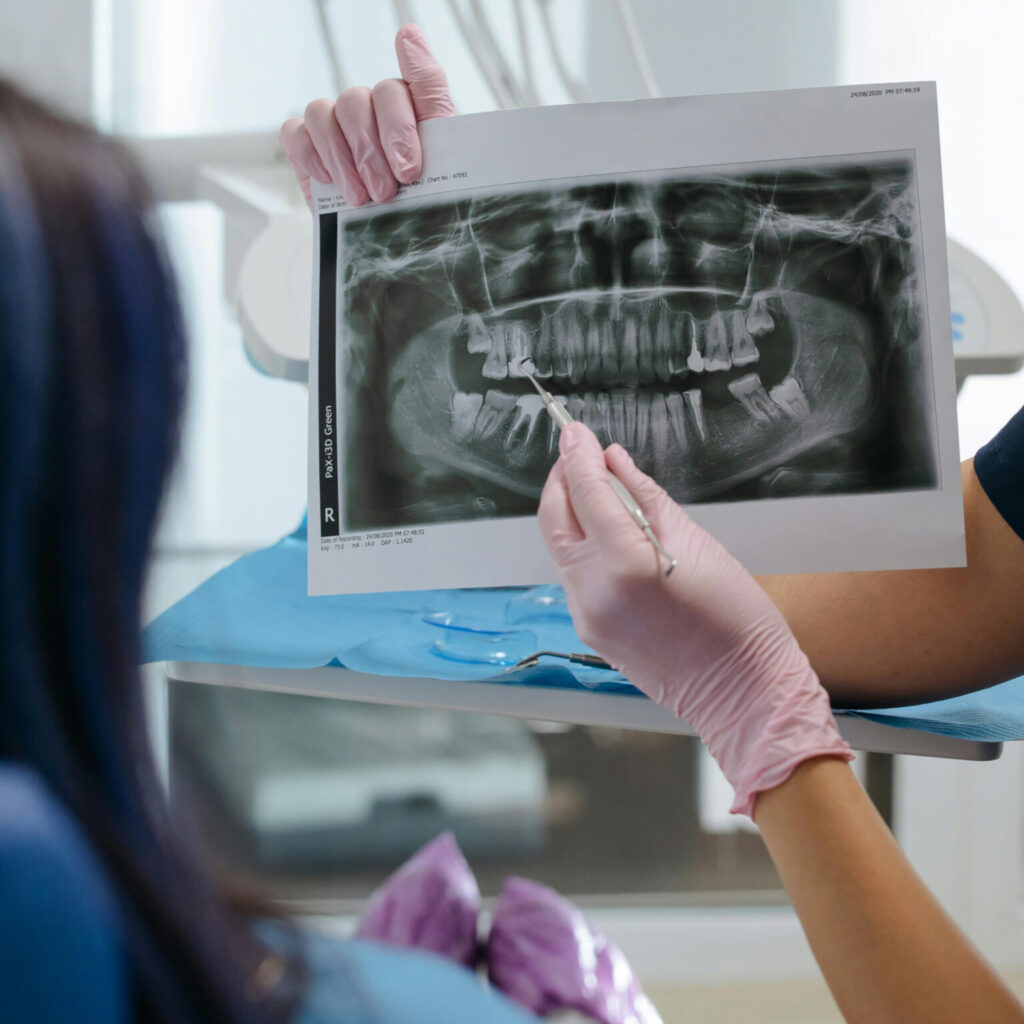
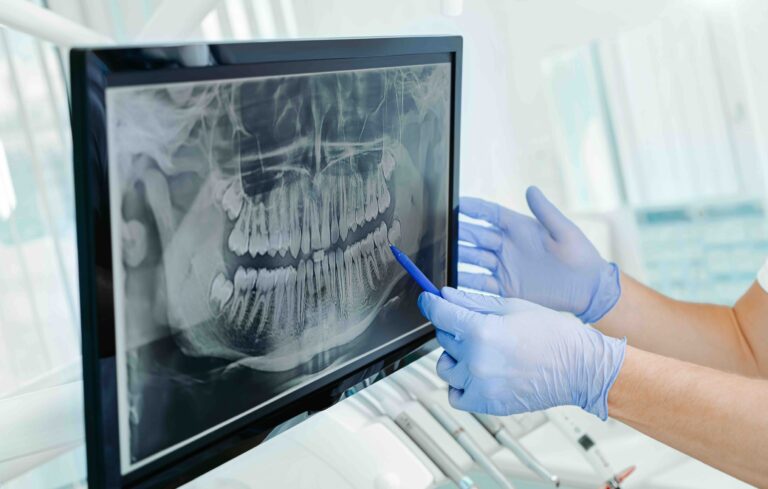
Before recommending any Gum Disease Treatment, a dentist or hygienist needs to determine how advanced the condition is. This usually involves a periodontal exam. A small measuring instrument is used to check pocket depths around each tooth. Healthy pockets are generally shallow. Deeper pockets can signal attachment loss. X-rays may be taken to evaluate the level of supporting bone and to look for other issues, such as decay, defective fillings, or areas where food traps are contributing to inflammation.
Bleeding points, gum recession, plaque buildup, tartar deposits, and tooth mobility all add to the picture. These findings help distinguish between a patient who needs a routine preventive cleaning and one who needs periodontal therapy. That difference is significant. A routine cleaning focuses on removing deposits above the gumline in a mouth that is otherwise healthy or only mildly inflamed. Periodontal treatment addresses infection below the gumline and deeper structural problems.
People sometimes feel frustrated when they come in expecting a standard cleaning and are told they need something more extensive. From the clinical side, the reasoning is simple: once disease is present beneath the gums, a basic polish and quick surface cleaning will not solve it. It would be like wiping a countertop while ignoring what is growing inside the cabinet below.
When treatment is simple: managing gingivitis
For patients in the gingivitis stage, treatment is often conservative and very effective. A professional cleaning removes plaque and calculus that daily brushing has missed. The hygienist may pay particular attention to crowded teeth, rough restorations, and hard to reach areas behind the lower front teeth and around upper molars, where tartar commonly accumulates.
Just as important is instruction on home care. In real life, many cases of early gum inflammation have less to do with laziness than with technique. Patients may be brushing twice a day but skimming over the gumline. They may floss occasionally but snap the floss past the contact point instead of curving it around the tooth. They may use a worn brush head for months, assuming frequency matters more than effectiveness.
When the inflammation is mild to moderate, improved daily plaque control can make a visible difference within a couple of weeks. The gums look firmer, bleeding decreases, and tenderness settles down. If there is no attachment loss, that may be all the treatment required beyond regular maintenance visits.
Still, even early disease deserves respect. A person who develops gingivitis repeatedly is showing that the current routine is not sustainable. That is worth addressing before it progresses.
When disease has moved deeper: scaling and root planing
Once periodontitis is present, the most common non surgical treatment is scaling and root planing. Patients often hear this described as a “deep cleaning,” though that phrase can be vague. More precisely, scaling refers to removing plaque, calculus, and bacterial toxins from above and below the gumline. Root planing means smoothing the root surfaces so the gum tissue can heal against cleaner, less contaminated tooth structure.
This treatment is usually done with local anesthetic because deeper deposits can be uncomfortable to remove. Depending on the extent of disease, the mouth may be treated in sections over more than one appointment. Ultrasonic instruments and hand scalers are both commonly used. The goal is not cosmetic. The goal is to reduce the bacterial burden and shrink periodontal pockets enough that the tissue can stabilize and home care becomes possible.
Patients often ask whether scaling and root planing is worth it. For many cases, yes. It is often the best first line treatment for mild to moderate periodontitis and can also help determine which areas respond well and which may need more advanced care. Done thoroughly, and followed by good home care and maintenance, it can significantly improve gum health.
The trade off is that healing may reveal recession that was previously masked by swollen tissue. In other words, the gums can look “lower” after treatment, not because the procedure damaged them, but because inflammation has subsided and the tissue has tightened. Teeth may appear longer, and some sensitivity to cold can occur for a while. Most clinicians consider that an acceptable and expected part of healing, especially compared with leaving infection untreated.
What happens after a deep cleaning
A common misconception is that periodontal treatment ends when the deep cleaning is over. In reality, the reevaluation visit that follows is one of the most important appointments in the process. After several weeks, the provider checks whether pocket depths have improved, whether bleeding has decreased, and whether your daily cleaning is keeping plaque under better control.
Some sites respond beautifully. A five millimeter pocket may reduce to three, bleeding stops, and the tissue becomes firm. Other areas may continue to show deeper pockets, especially around molars, under bridges, in areas of crowding, or where anatomy makes access difficult. Those nonresponsive areas often guide the next decision.
If the disease is now stable, the patient usually shifts into periodontal maintenance. This is not the same as a routine six month cleaning. Periodontal maintenance appointments are typically scheduled more often, often every three to four months at least initially, because bacteria repopulate periodontal pockets more quickly in susceptible patients. During these visits, the clinician monitors the tissues closely, removes new deposits, and reinforces problem solving around home care.
That maintenance phase is where many long term successes are either preserved or lost. Gum disease is manageable, but it is not something most people can “fix once” and forget.
When antibiotics have a role, and when they do not
Some patients expect antibiotics to be the main answer, especially if they associate infection with medication. In periodontal care, antibiotics can help in selected cases, but they are usually not a substitute for mechanical cleaning. Bacteria in a mature biofilm are protected by their structure and by the hard deposits attached to root surfaces. Simply taking a pill without removing the source often produces limited improvement.
That said, localized antibiotics placed into specific pockets may be useful in certain sites that remain inflamed after initial therapy. Systemic antibiotics may occasionally be prescribed for aggressive forms of disease, acute periodontal infections, or specific clinical situations. The exact choice depends on the diagnosis, medical history, and provider judgment.
The downside is that antibiotics carry risks: side effects, allergic reactions, disruption of normal flora, and the broader concern of resistance. For that reason, experienced clinicians tend to use them thoughtfully rather than reflexively.
Surgical treatment when non surgical care is not enough
If deeper pockets persist after scaling and root planing, periodontal surgery may be recommended. That can sound alarming, but the purpose is practical. Surgery can provide access to root surfaces and bone defects that cannot be cleaned adequately through the gumline alone.
Flap surgery, also called pocket reduction surgery, is one common approach. The gum tissue is gently lifted so the roots and underlying bone can be cleaned more completely. Irregular tissue and deposits are removed, and the area is reshaped to support healing. In some cases, reducing pocket depth makes the site much easier to keep clean long term.
Regenerative procedures may be considered in selected defects where the shape of bone loss is favorable. These treatments aim to encourage the body to rebuild lost support using membranes, graft materials, or biologically active products. Results vary, and not every site is a good candidate. The pattern of bone loss, smoking status, diabetes control, oral hygiene, and tooth anatomy all influence the likely benefit.
Gum grafting is another category of treatment, though it is often used more for recession and root exposure than for active infection itself. If a patient has significant recession after periodontal stabilization, grafting may help cover exposed roots, reduce sensitivity, and improve comfort with brushing.
Surgery tends to offer the greatest benefit when the patient is already committed to maintenance. It is much less effective as a rescue effort in someone who cannot or will not control plaque daily. That may sound blunt, but it reflects a reality seen often in practice. Surgical care can improve the environment, but it cannot replace daily bacterial control.
Tooth removal is sometimes part of periodontal treatment
No one wants extraction to be the answer, yet there are times when it is the most reasonable option. A tooth with severe bone loss, advanced mobility, furcation involvement that cannot be maintained, recurrent abscesses, or a crack extending below the gumline may have a poor long term prognosis. In those cases, continuing to treat a hopeless tooth can consume time, money, and emotional energy while neighboring teeth remain at risk.
A difficult but important part of periodontal decision making is distinguishing a tooth that is challenging from one that is no longer predictably maintainable. Some patients prefer to keep every tooth at almost any cost. Others would rather remove a failing tooth sooner and move toward an implant, bridge, or removable replacement. Neither preference is automatically right or wrong. The best choice depends on the condition of the tooth, the overall treatment plan, budget, medical history, and personal priorities.
Good care sometimes means preserving, and sometimes it means letting go strategically to protect the rest of the mouth.
Home care is not secondary, it is central
Every professional treatment for gum disease depends on what happens in the bathroom sink afterward. This is the part many beginners underestimate. The dentist can remove deposits and reduce infection, but daily plaque forms again. The difference between a stable mouth and recurring disease is often the consistency and https://troyguna101.readspirex.com/posts/what-to-expect-during-your-first-gum-disease-treatment-visit quality of home care between visits.
For most patients, the basics work if they are done well:
- Brush twice daily with a soft bristled brush, angling the bristles gently toward the gumline.
- Clean between the teeth every day, using floss, interdental brushes, or water flossing as recommended for your anatomy.
- Replace brush heads regularly, especially if the bristles splay.
- Use any prescribed antimicrobial rinse exactly as directed, not indefinitely without guidance.
- Keep maintenance appointments even when your mouth feels fine.
The best tool is the one you will actually use correctly every day. Traditional floss is excellent for tight contacts, but small interdental brushes often outperform floss in wider spaces, around bridges, and in areas of recession. Powered toothbrushes can help people who rush manual brushing or struggle with dexterity. A water flosser can be a useful add on, especially for braces or implants, but it usually works best as a supplement rather than a complete replacement for mechanical cleaning between teeth.
Technique matters as much as motivation. I have seen patients improve dramatically not because they bought expensive products, but because they spent an extra minute cleaning the back molars properly and stopped scrubbing their gums with stiff bristles.
Risk factors that shape treatment outcomes
Two people can have similar levels of plaque and very different periodontal outcomes. That is because gum disease is influenced by more than brushing alone. Smoking is one of the strongest risk factors. It reduces blood flow, impairs healing, and can mask obvious bleeding, making disease look quieter than it really is. Smokers often require more intensive treatment and tend to have less favorable long term results unless they cut down or quit.
Diabetes, especially when poorly controlled, also affects gum health. There is a well documented two way relationship: diabetes can worsen periodontal disease, and periodontal inflammation can make blood sugar management more difficult. Patients with diabetes often do better when dental and medical care are aligned.
Other factors include genetics, dry mouth, certain medications, stress, hormonal changes, tooth grinding, and restorations that trap plaque. None of these means treatment will fail, but they help explain why some mouths are harder to stabilize than others.
This is where individualized care matters. A healthy young nonsmoker with localized early periodontitis may respond quickly to scaling and maintenance. A long term smoker with generalized deep pockets and inconsistent attendance may need repeated therapy, surgery, and very candid conversations about expectations.
Signs you should not ignore
Early attention prevents a lot of trouble. If you notice any of the following, a periodontal evaluation is worth scheduling sooner rather than later:
- Bleeding when brushing or flossing that happens regularly
- Persistent bad breath or a bad taste that keeps returning
- Gums that look swollen, receding, or uneven
- Teeth that feel loose or have started to shift
- Sensitivity near the roots, especially with visible recession
Pain is not required for gum disease to be serious. In fact, some advanced cases are surprisingly painless until a tooth becomes mobile or an abscess forms.
What treatment usually costs in effort, not just money
People naturally ask about price, and costs vary by region, severity, insurance, and whether care is provided by a general dentist or periodontist. But there is another cost worth discussing: effort. Gum Disease Treatment asks for participation. It asks you to attend appointments, tolerate measurements and cleanings that may not be glamorous, change habits, and keep showing up when the mouth starts to feel better.
That can be difficult. Life gets busy. Bleeding improves, and people assume the problem is gone. Then they drift back to old patterns, skip maintenance, and return years later with deeper pockets and more bone loss. Periodontal care rewards consistency more than perfection. A patient who is not flawless but remains engaged often does far better than one who swings between neglect and emergency visits.
The role of the periodontist
General dentists manage many gum conditions very well, especially early disease and straightforward cases. A periodontist is a dentist with advanced training focused on gum disease, supporting bone, and dental implants. Referral is often appropriate when the disease is advanced, when surgery may be needed, when diagnosis is uncertain, or when previous treatment has not produced a stable result.
Seeing a specialist does not automatically mean the situation is dire. Sometimes it simply means the case would benefit from deeper expertise or more specialized tools. Patients often find that a periodontist can clarify the condition in a way that reduces anxiety, because the treatment plan becomes more concrete.
What beginners should remember most
The most useful mindset is to think of gum disease as a chronic inflammatory condition that can often be controlled very well, especially when caught early. Treatment is not one thing. It ranges from a professional cleaning and better home care to scaling and root planing, maintenance therapy, localized medication, surgery, grafting, or, in some cases, extraction and replacement planning.
The right approach depends on how much damage has occurred, how well the tissues respond after initial therapy, and how manageable the disease will be for you over time. Those last few words matter. The best treatment plan is not necessarily the most aggressive one. It is the one that gives the mouth a realistic chance to stay healthy year after year.
If you are just beginning to explore Gum Disease Treatment, do not let the terminology overwhelm you. Ask what stage the disease is in. Ask whether bone loss is present. Ask what the goals of treatment are, what improvement should look like, and what maintenance will be required afterward. Those questions cut through confusion quickly.
Most of all, do not wait for pain to make the decision for you. Gum disease is far easier to treat when it is still a problem of inflammation, not a problem of lost support. Early care protects teeth, reduces future cost, and gives you better choices. That is the real advantage, not just cleaner gums, but more control over what happens next.
Dental Group Of Beverly Hills
Address: 8641 Wilshire Blvd #125, Beverly Hills, CA 90211
Phone number: +13109296335
FAQ About Gum Disease Treatment
How to improve gum health quickly?
To improve gum health quickly, eliminate plaque buildup by brushing for two full minutes twice a day at a 45-degree angle to the gumline. Floss daily to clean under the gumline, and rinse with an antimicrobial, alcohol-free mouthwash. For immediate relief of soreness, use a warm saltwater rinse.
What is the fastest way to cure gum disease?
To quickly cure early-stage gum disease (gingivitis), eliminate the plaque buildup causing the inflammation. Brush gently but thoroughly for two minutes twice daily, floss daily, and use an antibacterial mouthwash or a warm saltwater rinse. However, if tartar has hardened, professional treatment is necessary.
How do I treat my gum disease at home?
You can treat early gum disease at home by practicing strict daily oral hygiene, rinsing with salt water or antibacterial mouthwash, and quitting smoking. True gum disease (especially advanced forms like periodontitis) cannot be fully cured at home once tartar forms, and you must see a dentist for professional cleanings.